Saturday, February 25, 2012
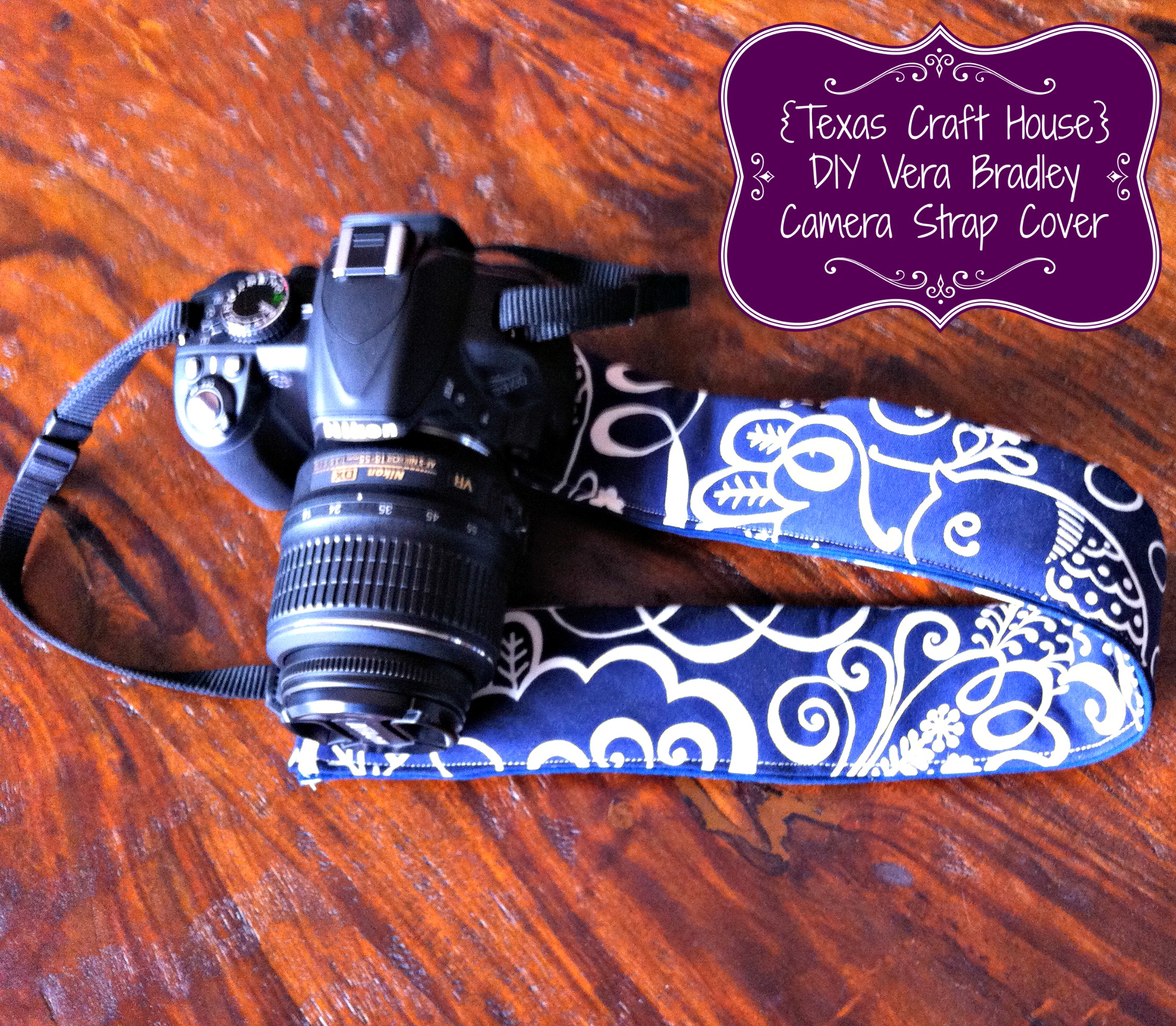
DIY Camera Strap Cover
For Christmas a few years ago, I made my little sister two camera strap covers for her Nikon DSLR camera. I went to JoAnn's and picked a hounds tooth fabric that I knew she would love. I also got ahold of her favorite Vera Bradley pattern, Twirly Birds in Navy, by buying cloth napkins from the website. Naturally, I got the idea from Pinterest and used the tutorial from Priddycreations.com.


DIY Laundry Room Back Splash
My Mom asked me the other day to help her put a back splash up in her laundry room above the sink, she had already gotten all of the supplies from Home Depot so all I had to do was the manual labor. She bought Aspect peel and stick metal long grain silver tiles, some double sided tape so we could get an idea of what the tiles would look like before we began to stick the to the wall, a metal outlet cover, Power Grab Loctite glue. Some tools I ended up needing from my Dad's garage were a screwdriver for the outlet cover, some shears to cut the tiles in half and a black sharpie. My Mom let me know that she wanted the pattern to look like subway tiles and then I was finally able to begin.

Be sure to read all of the directions that come in the Aspect tile box before you begin. These tiles are really neat and they can be used on many different surfaces. So if you're planning on using them on drywall all you have to do is literally peel and stick. Since the wall we were using is already painted we had to use the Loctite as additional sealant to stick. As you can see below you should just put a pea size amount on all of the corners at least 1/2" away from the edge and in the middle.

Since my Mom wanted to have the tiles in the subway tile pattern I knew that I would need to cut some tiles in half, I measured the tiles and drew my sharpie line and cut along the line with my shears. Be sure to complete the cut from the same direction as you started are you will end up with a crooked cut and then you will not be able to place these tiles level against any other tile. Also the Sharpie line comes off really easy with isopropyl alcohol.

Below you can begin to imagine how the back splash will turn out. The outlet proved to be a bit more challenging than I though it would be and I had to figure out whether or not I wanted to cut the tiles to the outlet cover or the actual outlet.

I realized that I wanted to use the outlet cover to hide any of the rough cut marks that would come from cutting the tiles. Something else that is important is to make sure that you do not cover up the small hole that the outlet cover screws into that you can still install the outlet cover. Also I ended up adjusting the tiles so they were not even touching the metal ends at the top and the bottom, that way I could loosen the actual outlet so it would install flush to the outlet cover. You can see in the photo below that we still needed to cut more room for the entire outlet.

Below you can see the outlet cover installed.

It's really coming along now! My mom decided that she really liked the way the step up led up to the cabinet on the left hand side of the back splash so we kept it that way instead of creating a straight line on that edge. There was also a plastic protector on each tile that we removed after the install was complete.

Before:

After:
 This project took about an hour and a half, but was really easy going. It changed the whole look of the room and added a great look to it. Hope you enjoy this DIY!
Elisabeth
Monday, February 6, 2012
DIY Tool Belt
While watching the Super Bowl I decided it was finally time to complete my tool belt that I'd been thinking about for quite come time now. I went to Home Depot and got this apron for only $0.77 and believe it or not that's all I spent on this project!

I used my sewing machine which is the machine I use for all of my sewing crafts the Brother CE-4000.

I went through my scrap fabric and I chose these two fabrics because I loved the way they looked together, I got them both from JoAnn's a few years ago. I also used red thread so it would pop against the fabric.

I cut enough fabric so that I would not have to sew the bottom seam of the apron. I pinned the blue fabric along the sides of the apron and made sure that the fabric lined up on both sides of the apron. I made sure not to pin the pockets closed. I did a 1/4" turn hem on the two sides and along the top that runs along the top of the pockets.

I hadn't planned on covering the back of the apron when I first started thinking of this project, but I ended up having enough fabric to do so. After pinning the blue fabric, I pinned the yellow fabric to the back of the apron like pictured below with a 1/4" turn hem.


And then I flipped the apron back over to the front and pinned as far into the pockets as I could. This is when the project get a lot harder than I had planned for.

I realized I would have to sew along each pocket by fitting each pocket onto the base of my sewing machine so that I would not sew the pockets shut. The hardest part was feeding the pockets through to complete the stitch because it was circular and the apron has two separate pockets rather than one big pocket. Because of this I was unable to get a solid stitch from one side to the other.

When it came time to sew the yellow fabric I stitched as close to the pocket as I could so the seam would be covered as much as possible. When I was done I tried it on and used my sewing scissors as a tool for my new tool belt!

Now I'm ready to decorate our new house!
Elisabeth
Subscribe to:
Posts (Atom)